The Centerton to Wilbur Project was still in the planning stages two years ago.
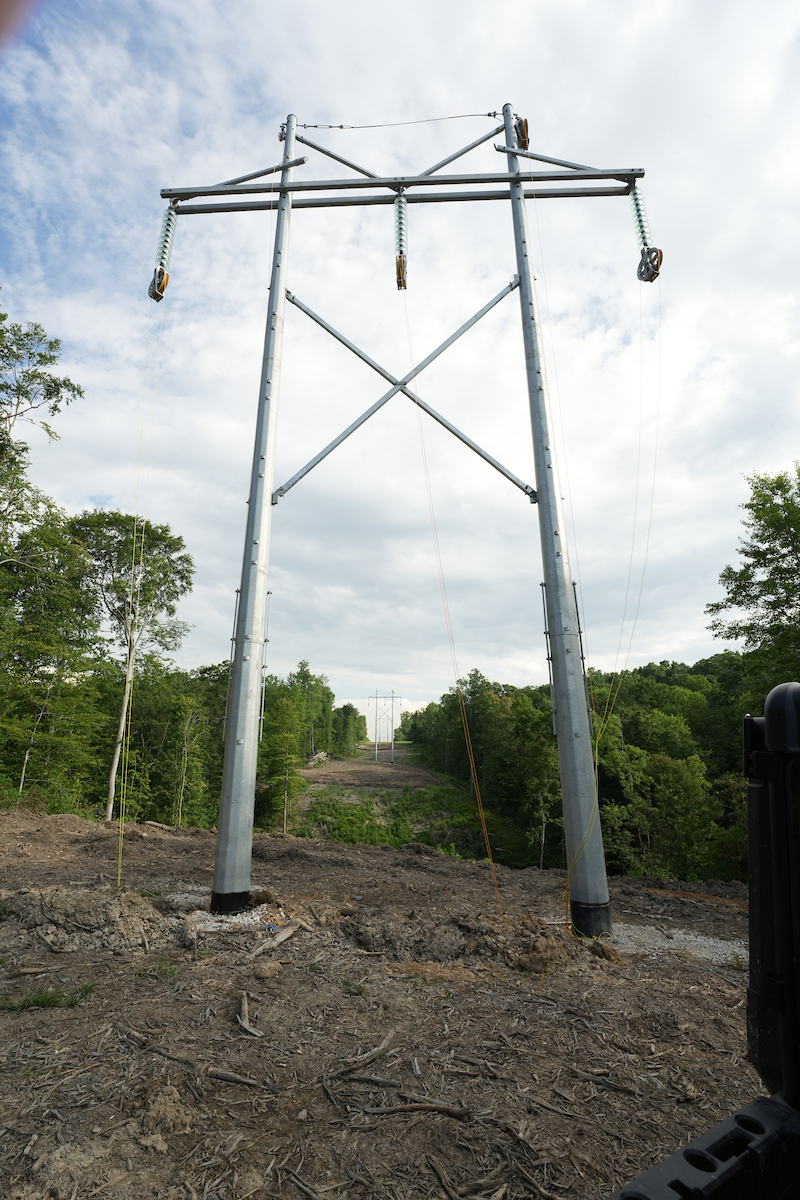
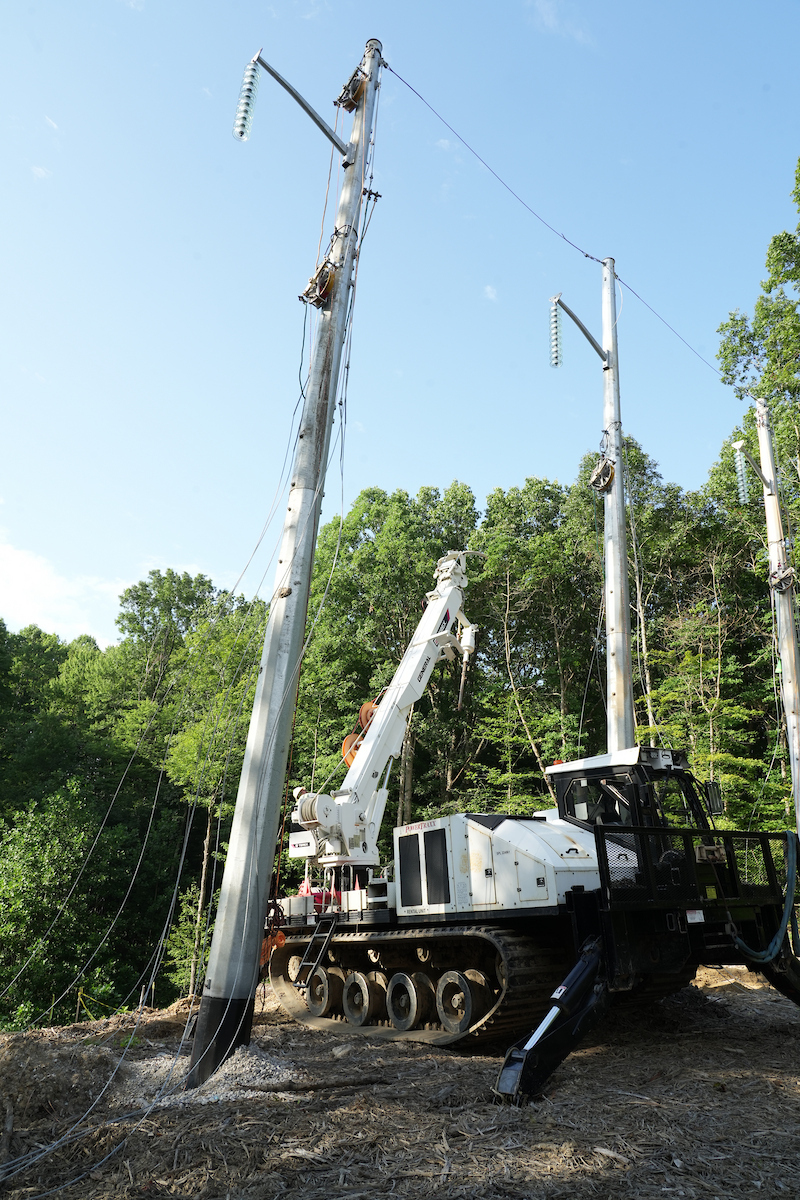
Now the project is closing in on the finish line of nearly six miles of new overhead transmission line connecting the Hoosier Energy Wilbur substation to the Duke Energy Centerton substation in Morgan County.
It hasn’t been a straight line from start to finish, but Hoosier Energy and its contractors have adapted along the way.
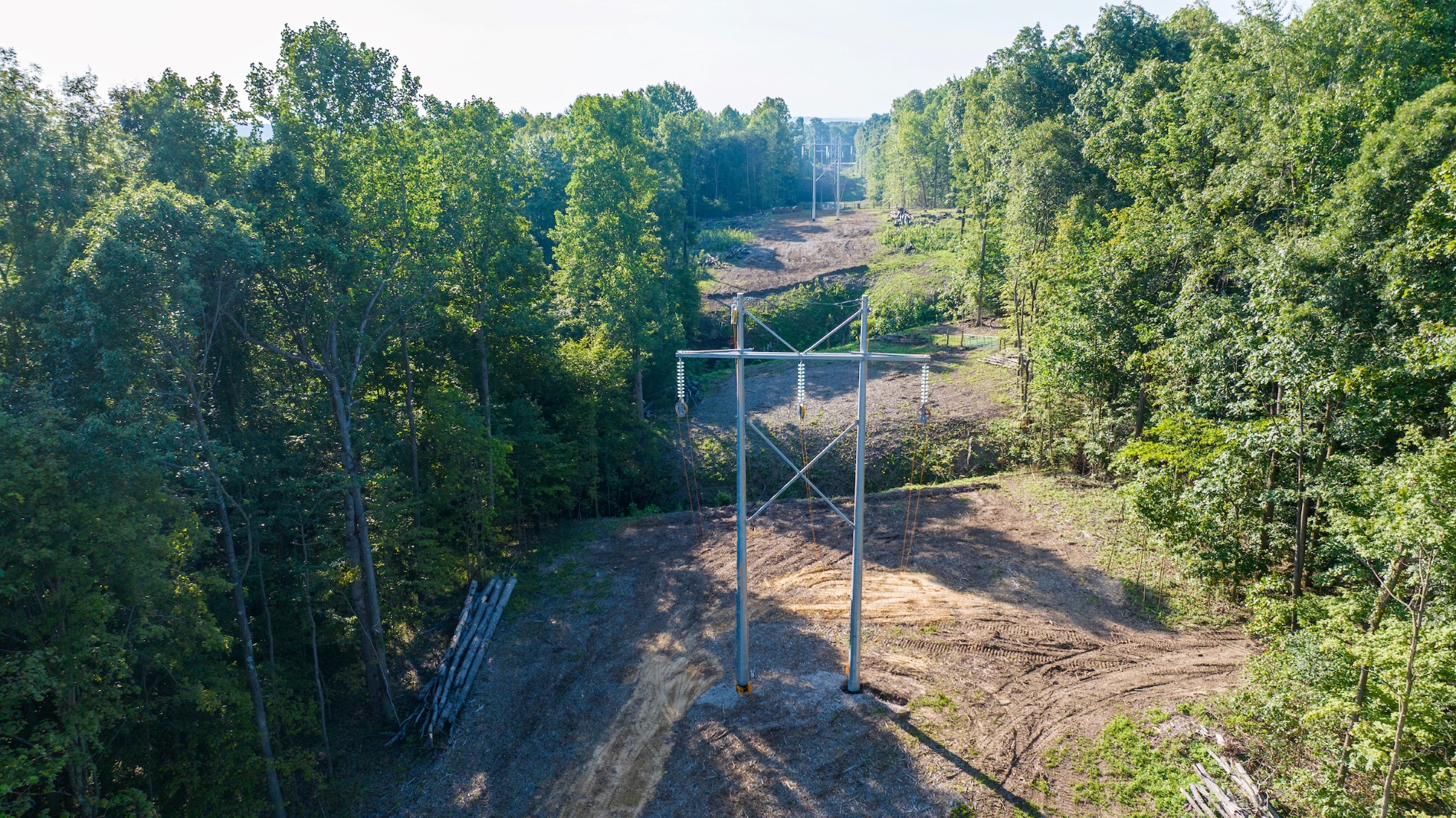
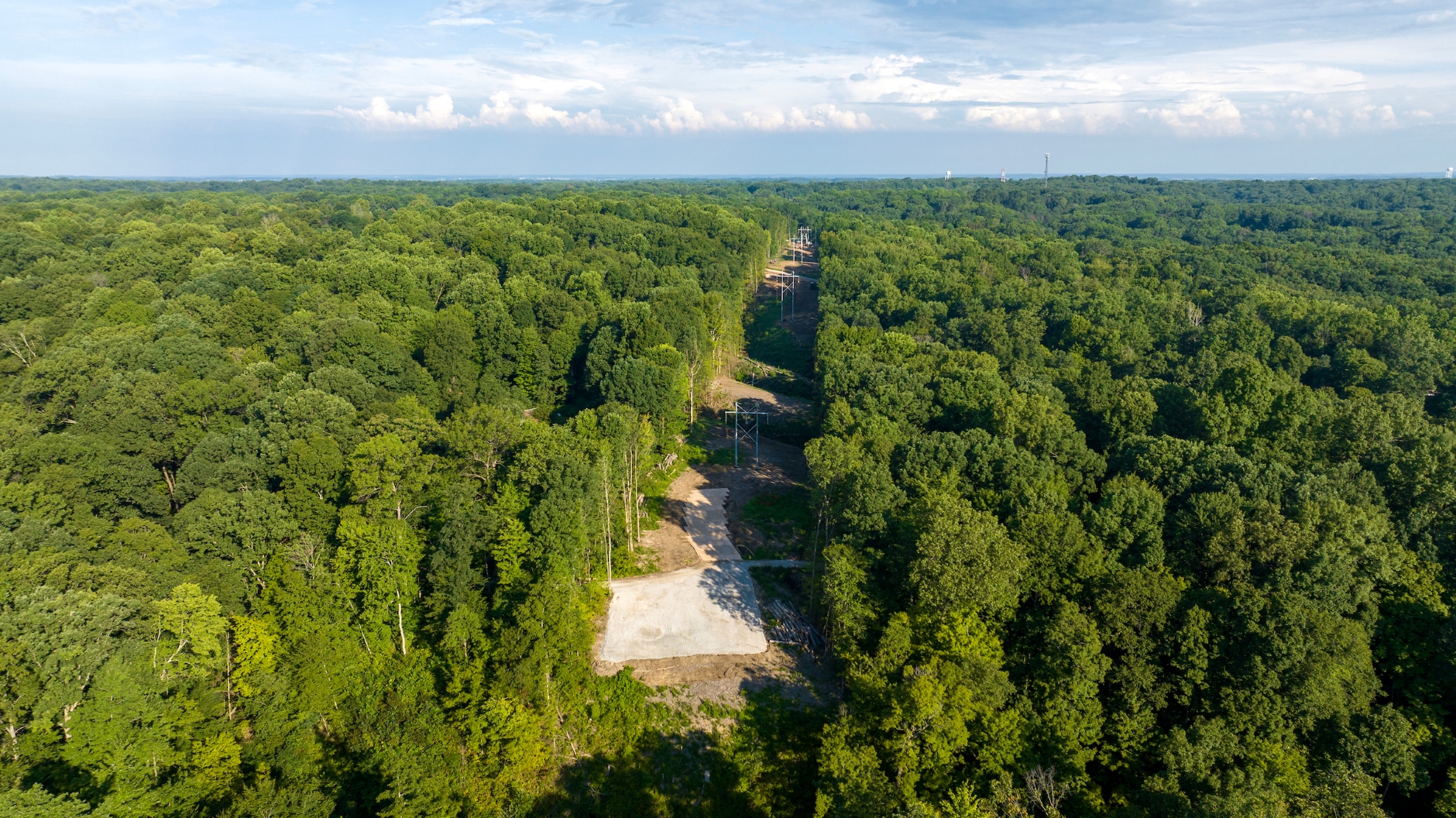
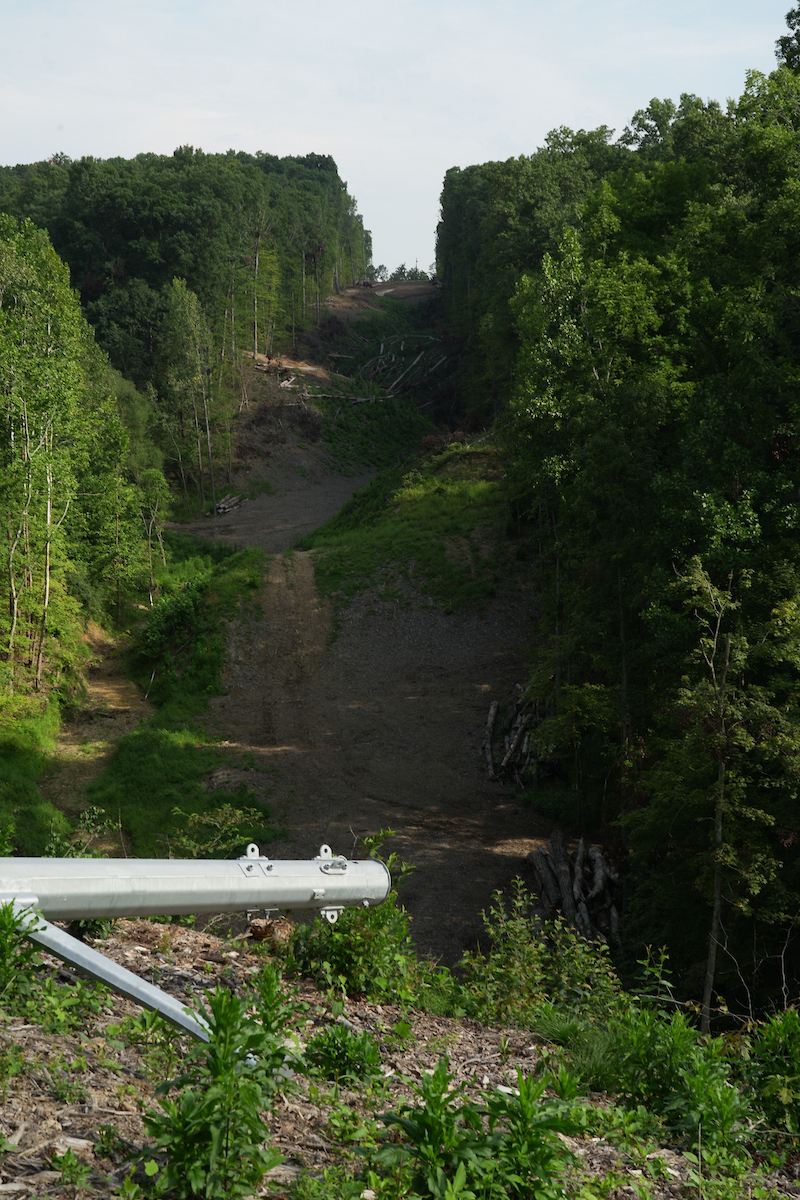
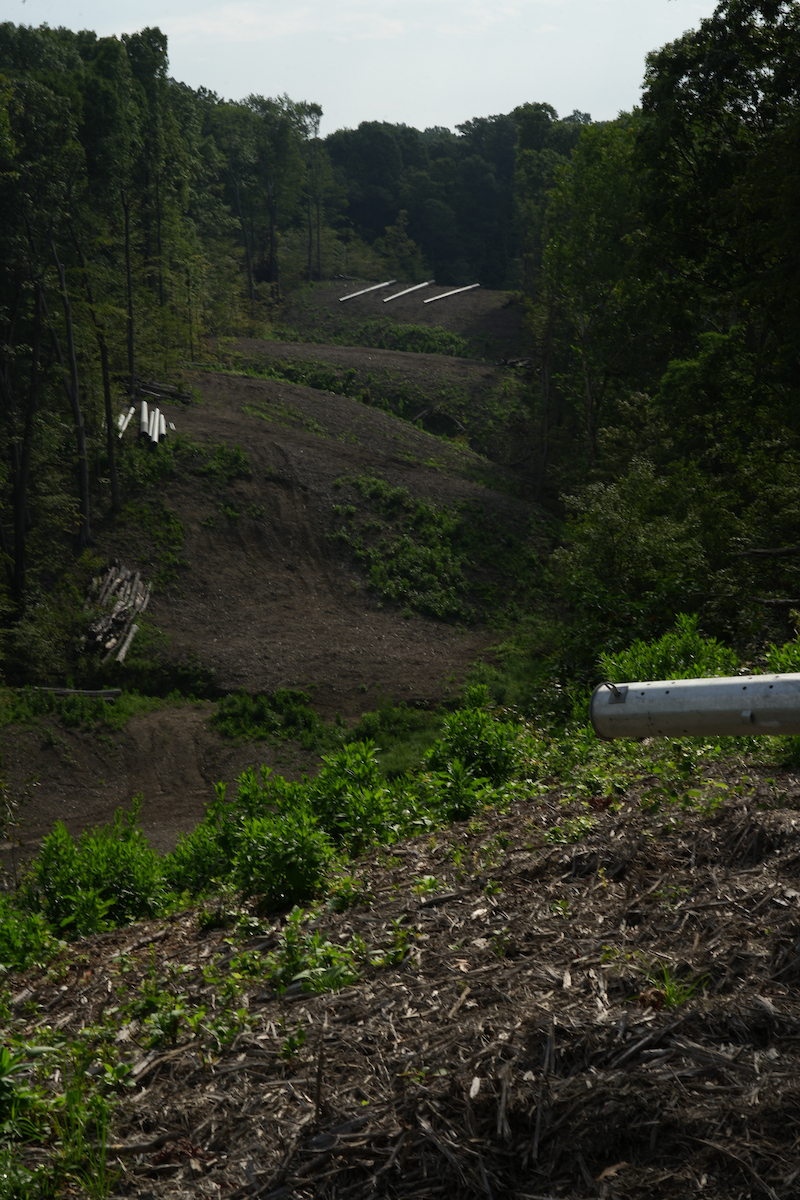
The rough terrain made adaptation a necessity from the get-go, as clearing and mulching vegetation began in February of 2025. That work was completed in June, although a storm shortly after the initial work was completed required additional cleanup. That included work to clear the access paths.
With multiple ravines, some approaching 100 feet deep, the location of each of the 62 new structures required unique paths for crews to access.
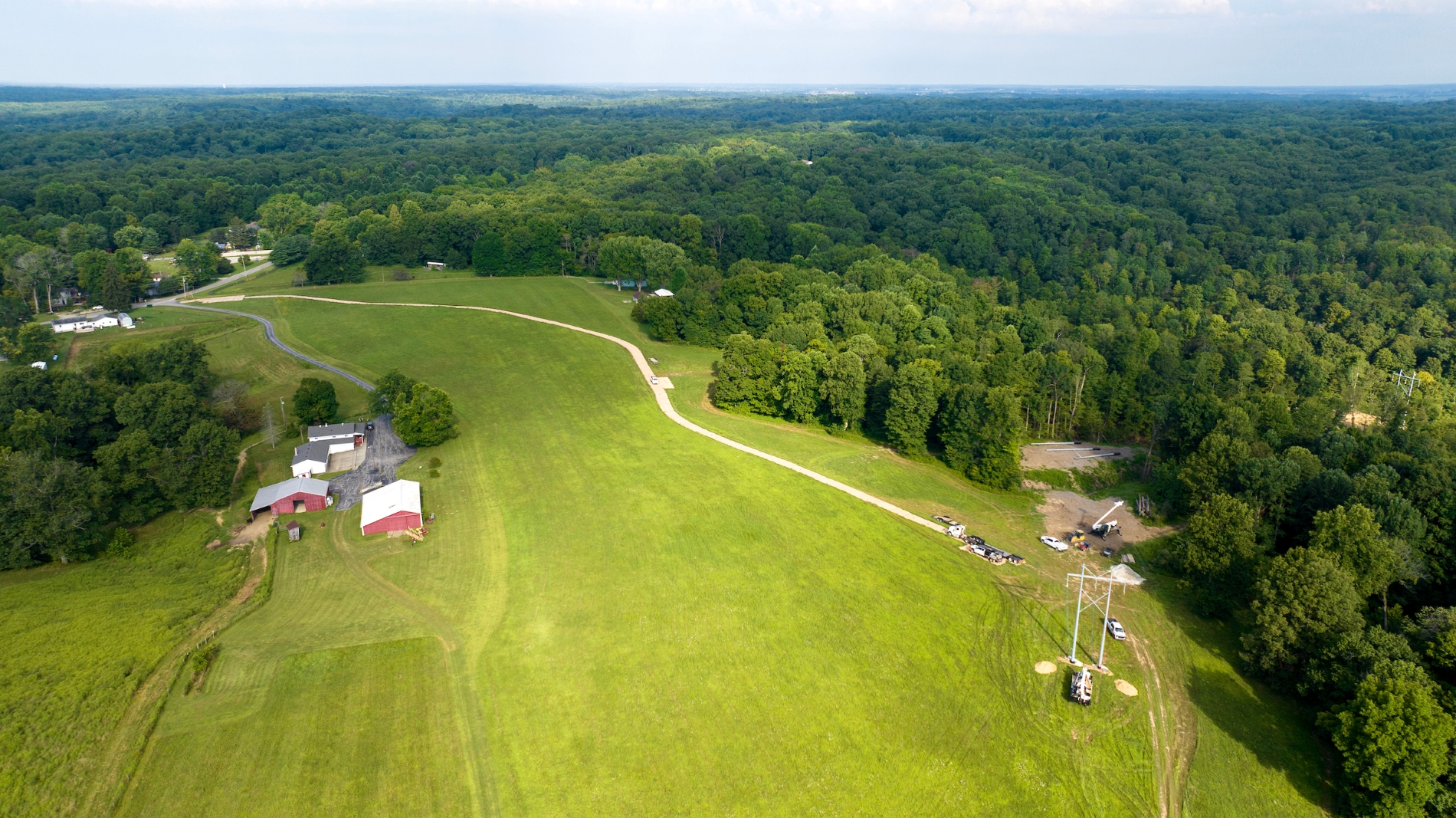
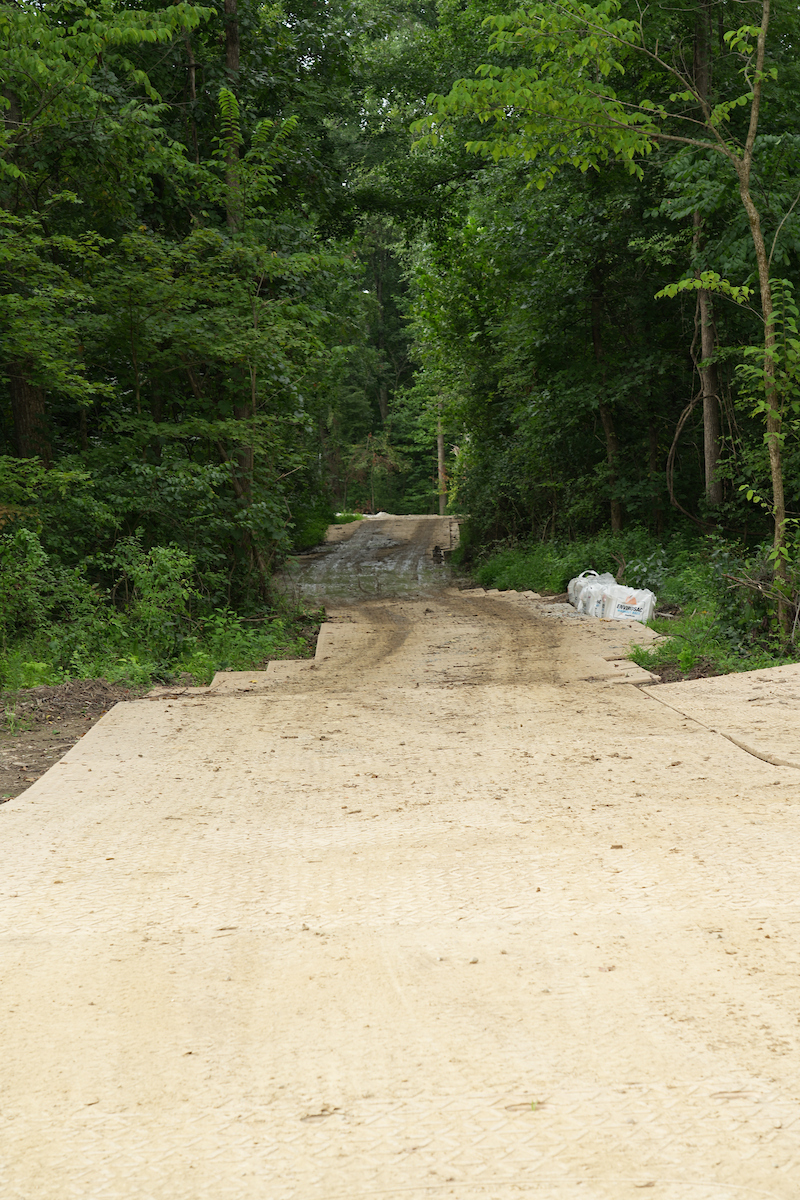
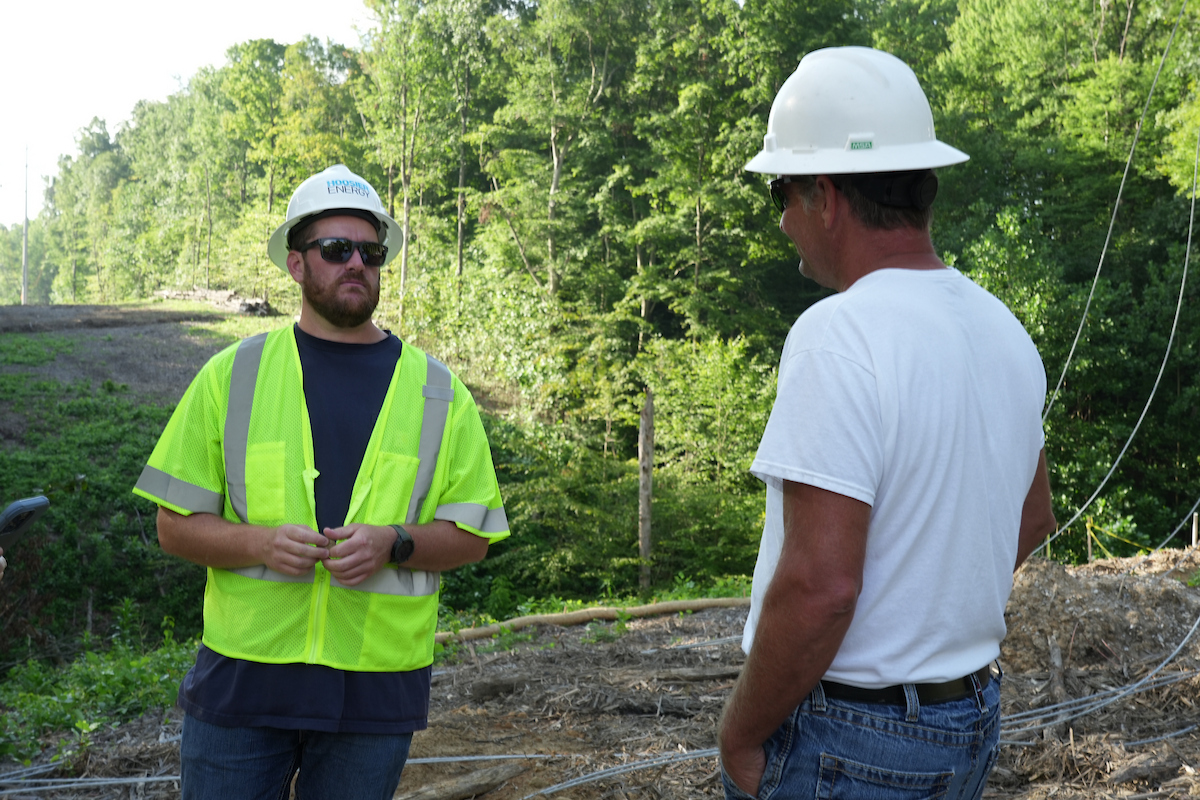
“We have our own roadway system throughout this whole project,” said Hoosier Energy Project Manager Steven Jones. “On this project, you can only really get to one structure at time. Then you have to go back out and go a couple miles down the road to get to the next structure. So, access has been a huge part of this project because of that terrain.”
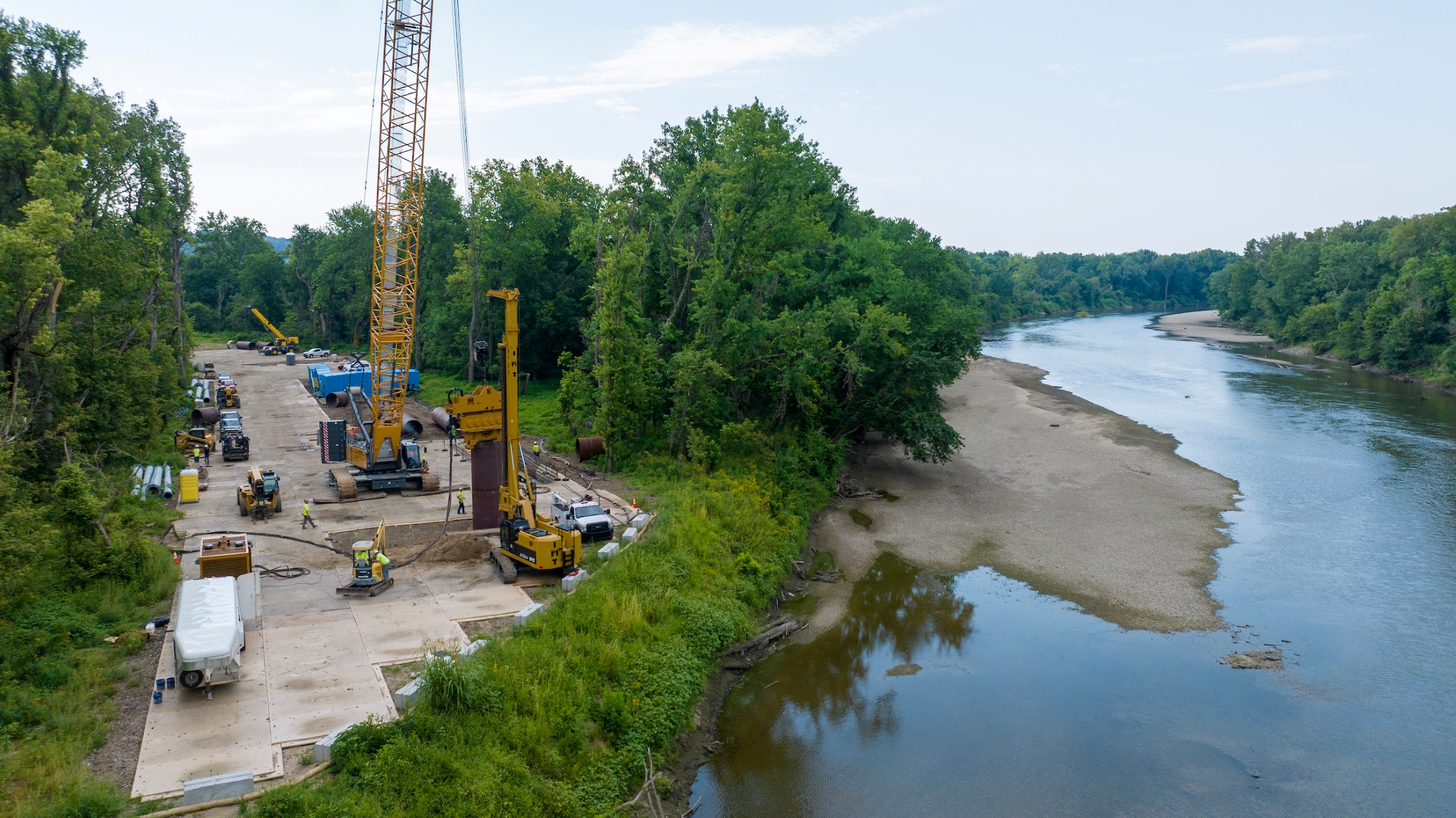
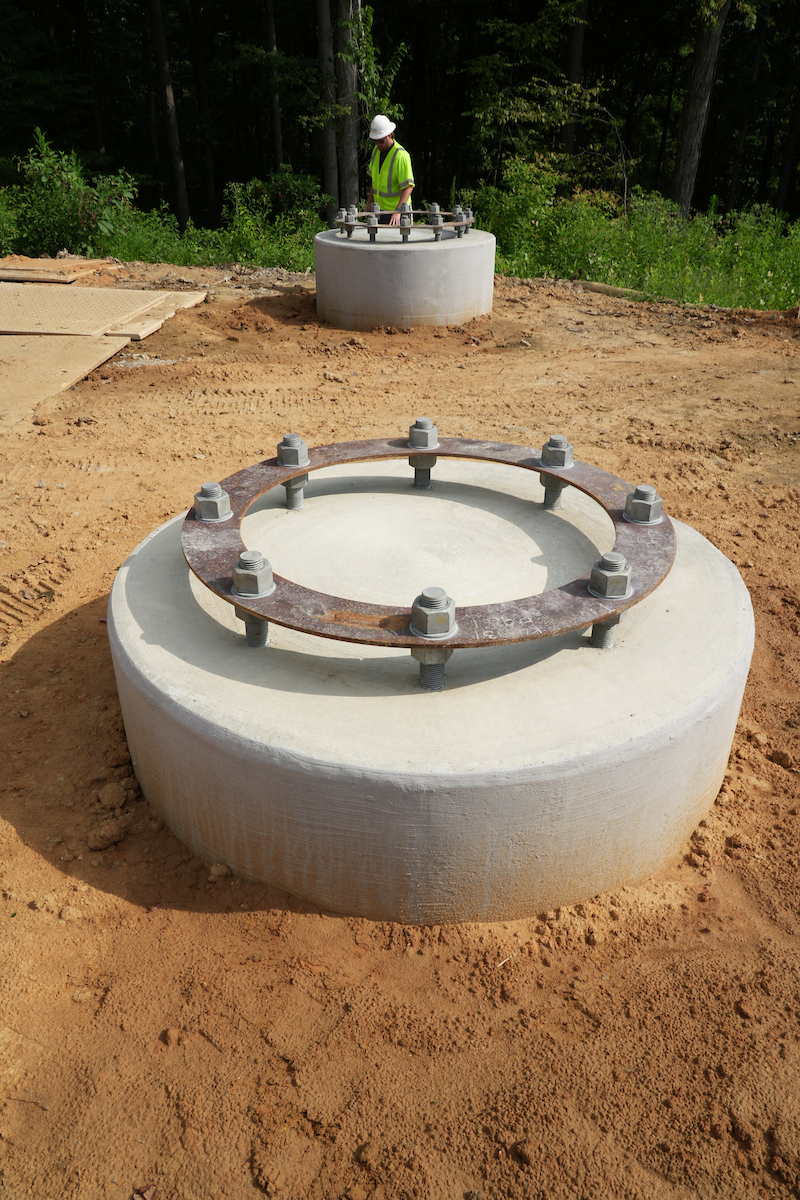
The month of July saw Chastain Excavating put down over 1,600 composite mats for the equipment to move in and begin setting the 70-foot riverbed foundations starting August 4. That was the same date that JDH Contracting began to set the pole structures.
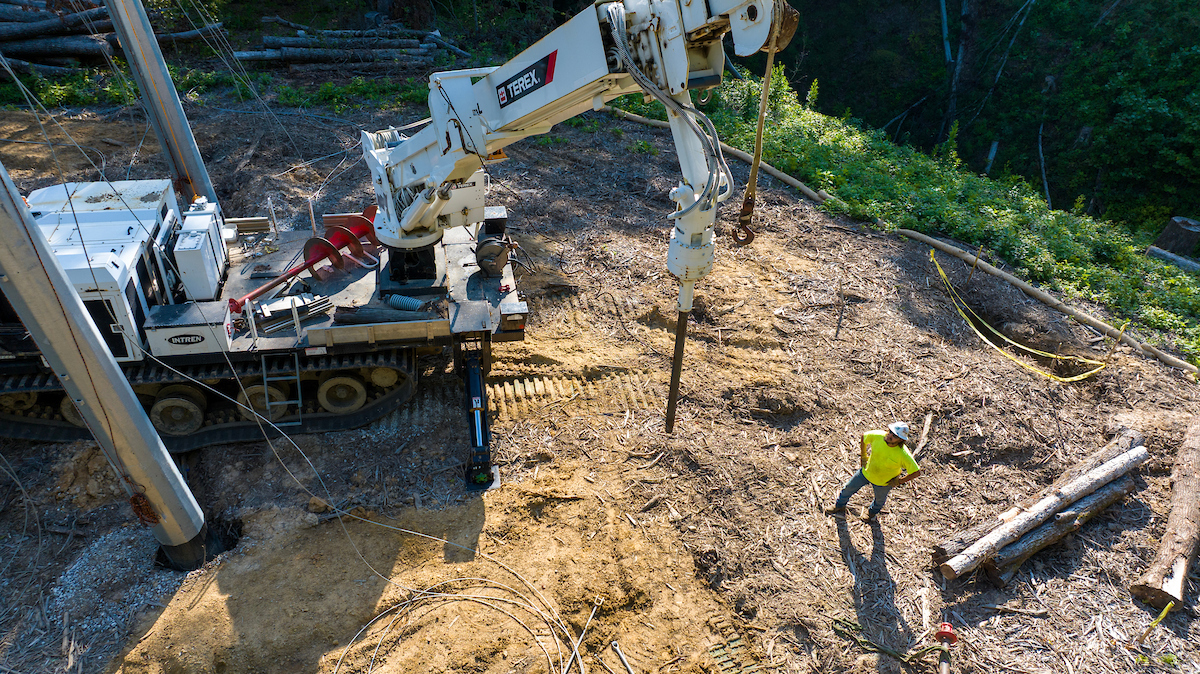
However, another unexpected challenge came with the anchors used by the line crew. The rock turned out to be more brittle than expected.
“It wasn’t limestone, but more of a shale,” Jones said. “That rock would essentially shatter, so we’re using a unique solution. A 30-inch auger will drill down into the rock, then we’ll set our anchor and backfill that entire cavity with concrete, giving us a good solid structure to pull against our anchors.”
In spite of that, the project remains on schedule to be energized by December 15, 2025. The transmission lines being installed are 138kV capable, but the lines will initially be energized at 69kV.
The upgrade will happen later once other projects in the Mooresville area are completed over the next five years.
“As long as there are no more surprises, we should have this thing up and built, and energized by the end of the year,” Jones said.
In the meantime, the terrain will require some creativity in running the lines, giving Intren and Hoosier Energy the chance to try something new.
“With all these valleys and hills we have to cross, we’re talking about using a drone to pull in the ropes from the new structures, starting with a 100-pound test line,” Jones said.
It’s one of many unique challenges for a project that is still finding a way to the finish line.